Intel QX9650 (Penryn): first tests
Author:
Date: 12.11.2007
|
|
Performance tests
In our test setup, we used the following hardware:
| Test setup |
| Motherboards |
ASUS P5W64-WS Pro (Intel 975X)
ASUS M2N32-WS Pro (NVIDIA nForce 590 SLI)
ASUS P5K3 Premium (Intel P35)
|
| Cooler |
Gigabyte G-Power |
| Video Card |
MSI NX7900 GT (GeForce 7900GT; PCI Express x16)
Driver version: 93.71 WHQL |
| Sound card |
- |
| HDD |
Samsung HD160JJ |
| Memory |
2x512 MB Corsair DDR2 TWIN2X1024-8000UL1
|
| Housing |
Inwin506 with PowerMan 300W power supply unit |
| OS |
Windows XP SP1 |
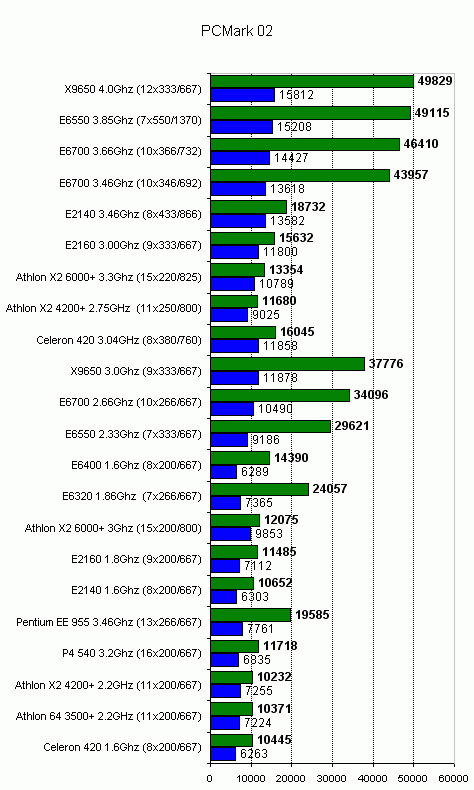
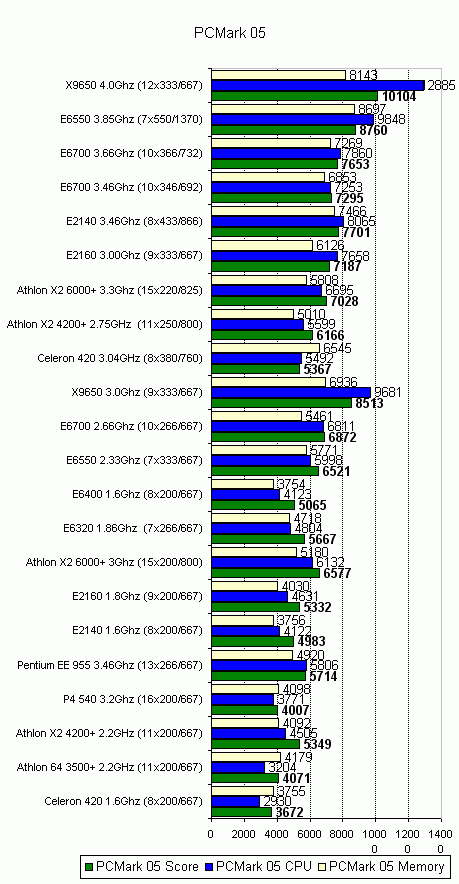
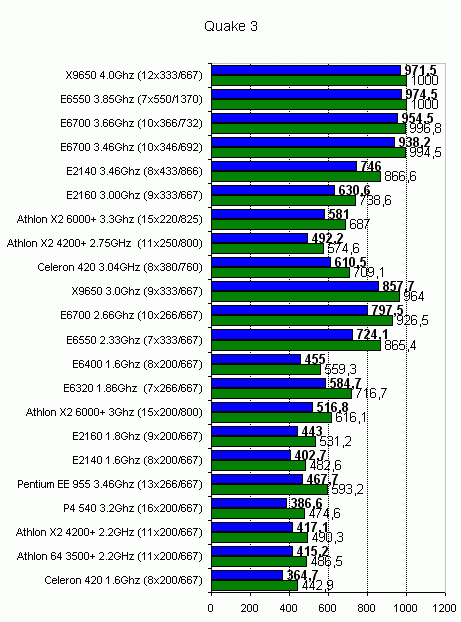
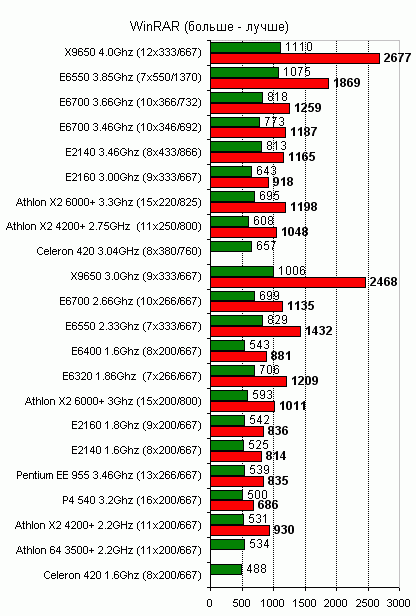
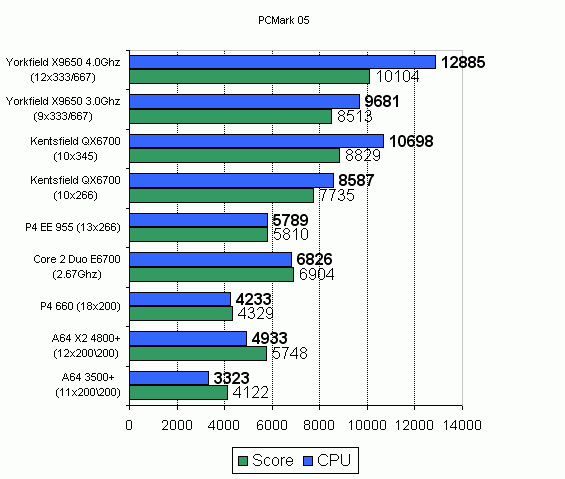
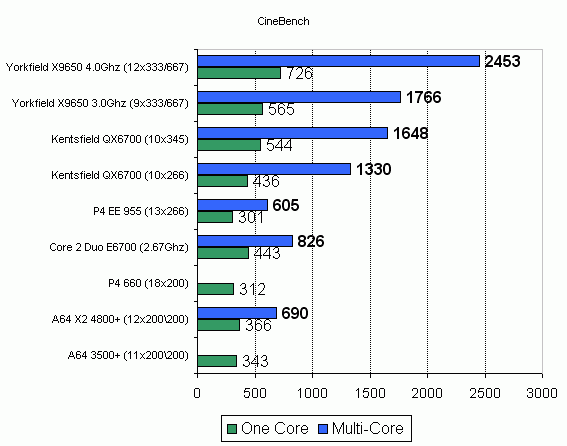
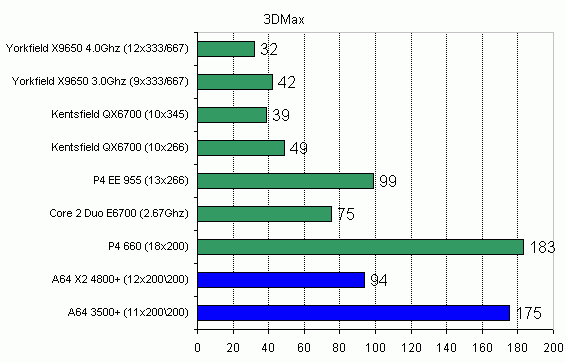
We first compare the performance of Core 2 Extreme QX9650 (Yorkfield) versus Core 2 Extreme QX6700 (Kentsfield). But unfortunately, QX6700 is currently at the test-bench so we decided to use different platforms. While QX6700 was tested with DDR2 memory, we'll be testing QX9650 with DDR3 memory and therefore we'll see the benefit this memory type will bring in terms of the fact that FSB was raised from 266 MHz (Kentsfield) to 333 MHz (Yorkfield). Clearly, this comparison will be estimating and will show the overall performance gain in the high-end sector for one year. At the same time, we can forecast that the maximum gain will be produced at applications like WinRAR and Quake4 (i.e. the software whose speed depends on the memory bandwidth).
    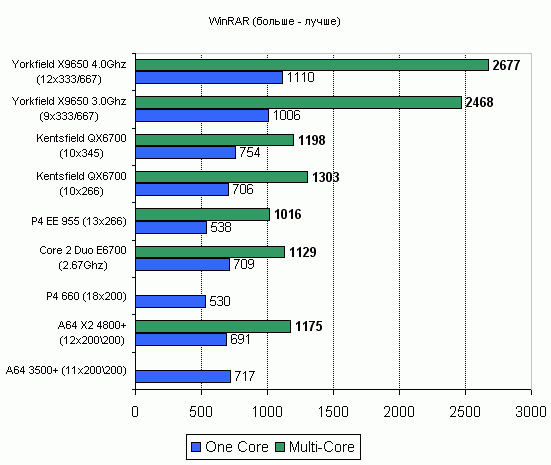 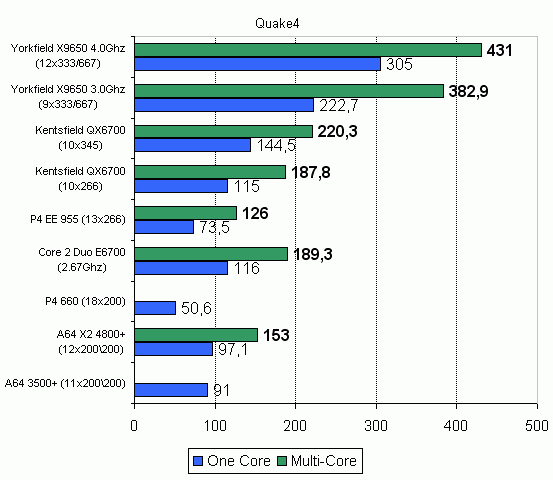 Just look at the performance gain in Quake4: one of the four cores of the Yorkfield processor at 3.0 GHz provides the same speed as all the four cores of the Kentsfield CPU overclocked to 3.45 GHz do. Incredible, isn't that? Not at all: Kentsfield simply depends on the low bandwidth of DDR2, but if placed on a motherboard with DDR3 and increase the FSB to 333 MHz, then we get almost the same performance as that with Yorkfield.
But there are extremely few applications which are that dependent on the memory bandwidth. On the other hand, if the user is able buying a CPU at $1000, he would easily spend $500 for a kit of DDR3 memory. As regards 2-core processors, that is already a different pricing category, and we do not recommend to bus DDR3 for systems powered by such processors.
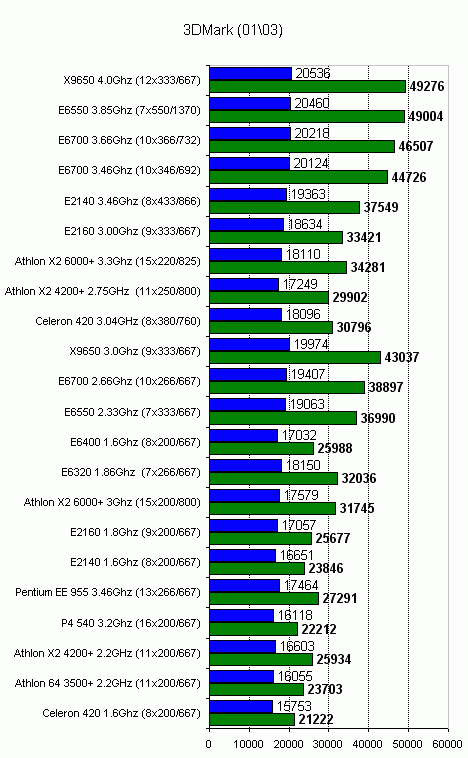
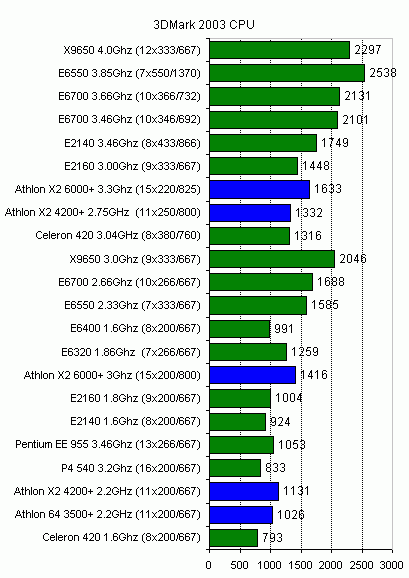
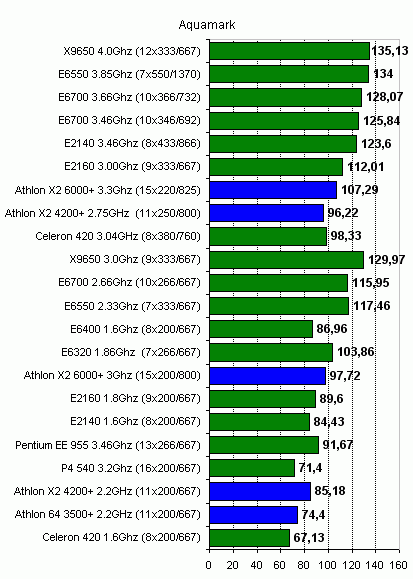
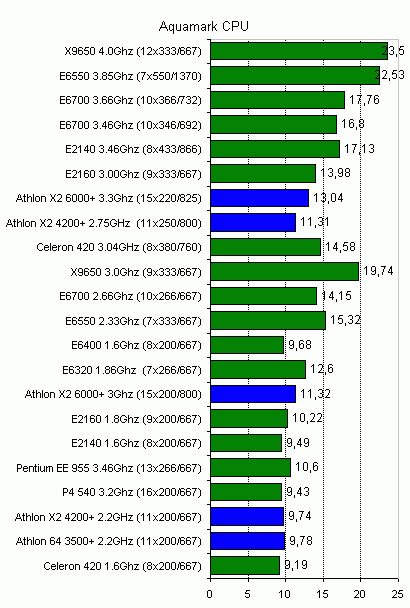
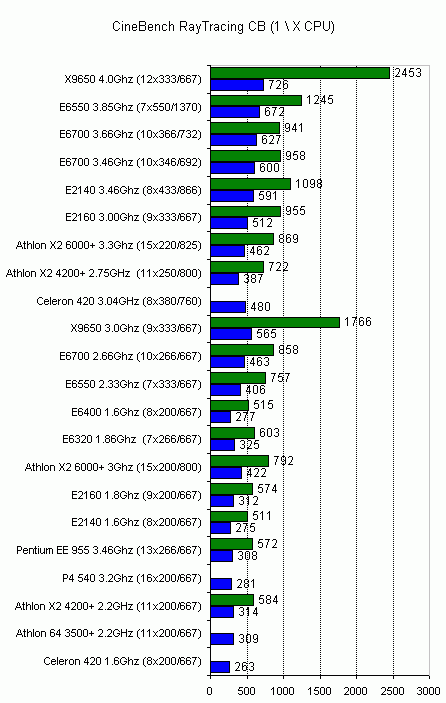
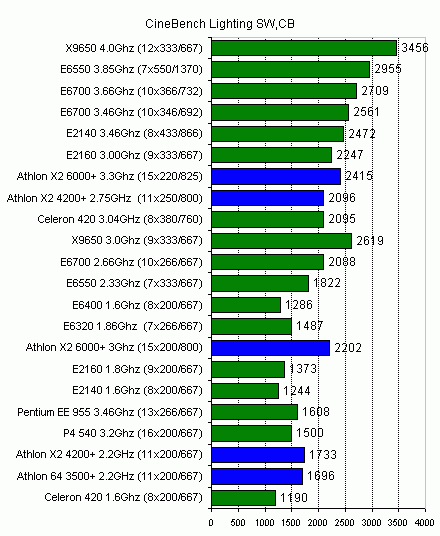
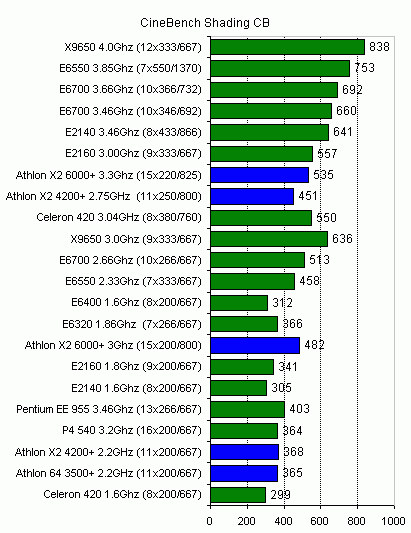
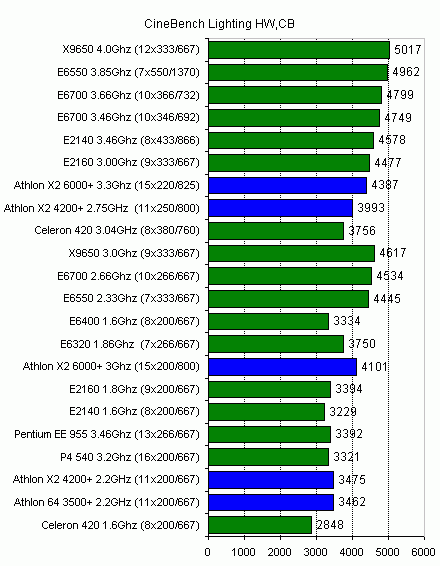
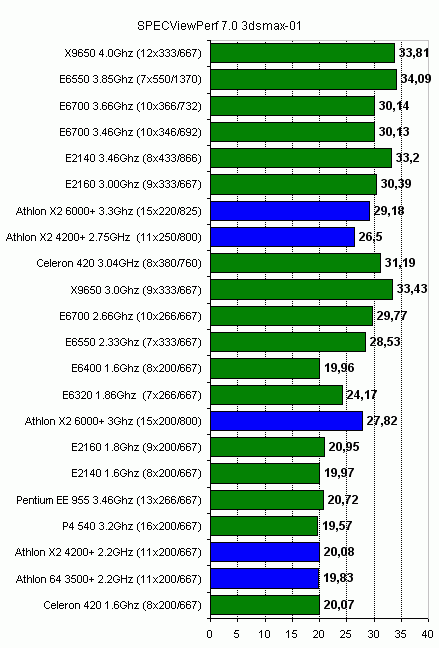
Now move on to the standard kit of tests run on a unified platform.
These are exclusively synthetic benchmarks which demonstrate the theoretical performance.
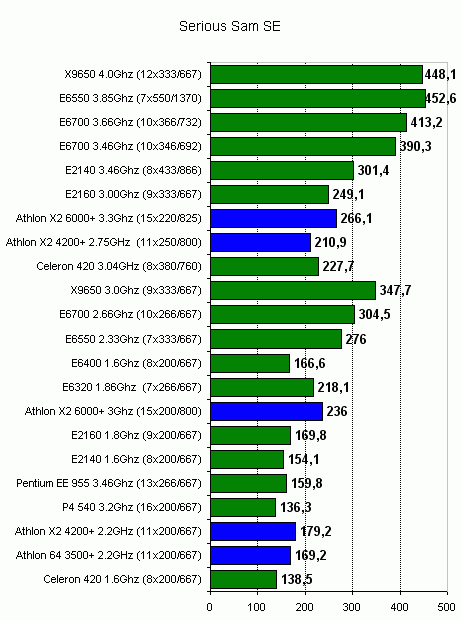
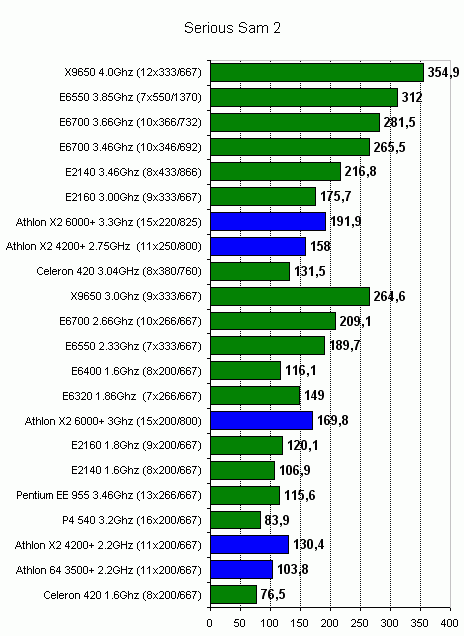
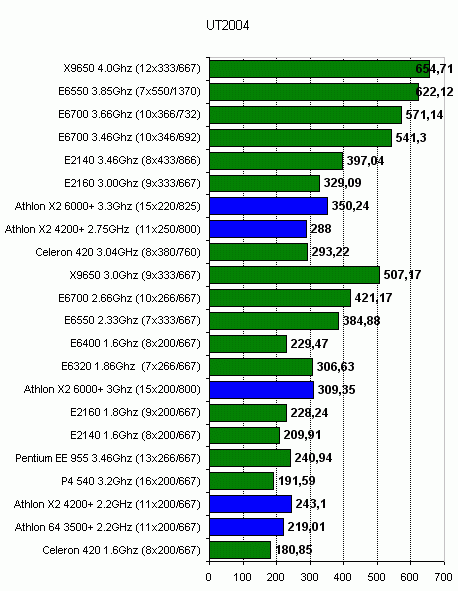
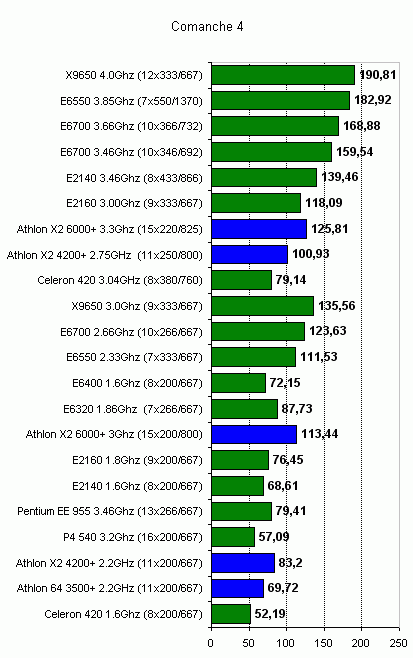
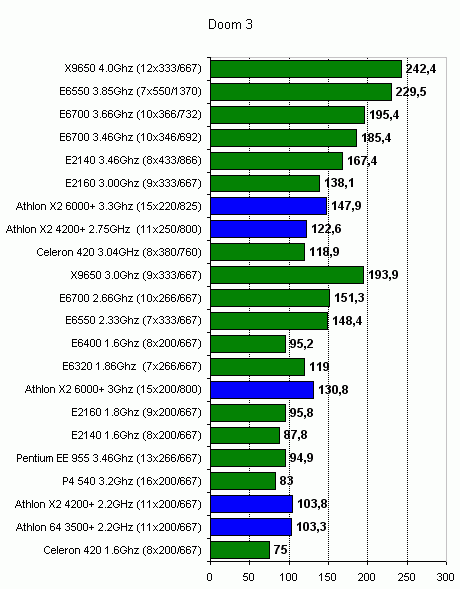
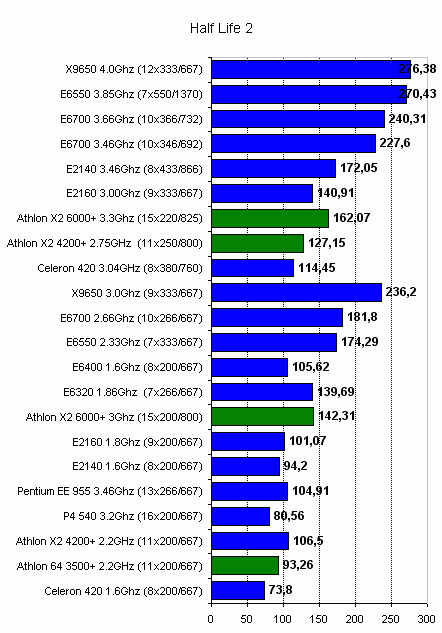
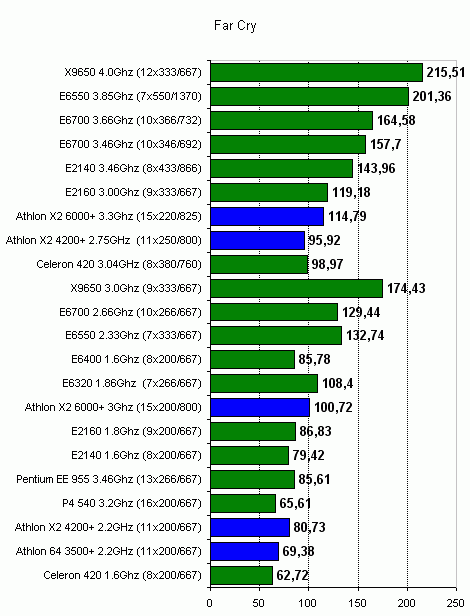
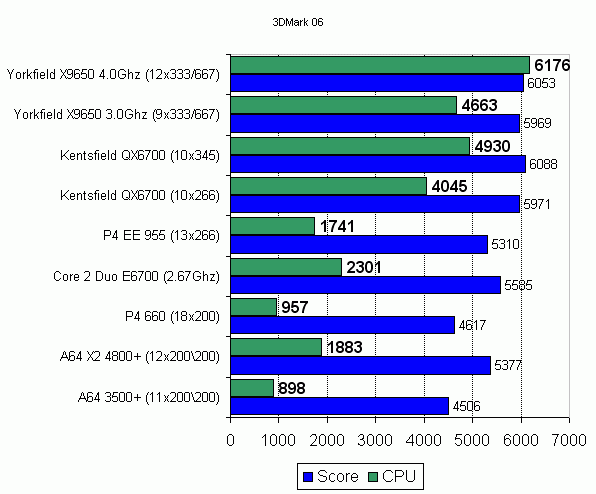
Now on to the gaming benchmarks.
.
Kb/s, the more - the better
Final Words
The most important is: the Penryn family of processors is an evolution of the Core family, and due to the 45-nm process technology all the specifications have been improved (except the speed of access to the L2 cache). In other words, Yorkfield and Wolfdale processors are better than their predecessors (Kentsfield and Conroe, respectively) and will certainly enjoy a success. The summands of success are simple: modified Conroe core + support for SSE4.1 instruction set, a "finer" 45-nm process technology (the higher overclocking, the less the heat emission) and increased L2 cache size (up to 6/12 MB).
And the main question - when will we be able buying these processors? If we disregard the Extreme Edition version, we'll be able buying dual- and quad-core processors of the Penryn family at about early 2008.
- Discuss the material in a conference
 |
Content: |
 |
|
|
Top Stories: |
|
 |
|
MoBo:
|
|
|
|
VGA Card:
|
|
|
|
CPU & Memory:
|
|
|