Dual-core Pentium D 805 (Smithfield)

Author:
Date: 15.05.2006
|
|
Performance
We now move on to the most interesting part of the review which is devoted to the performance of Pentium D 805.
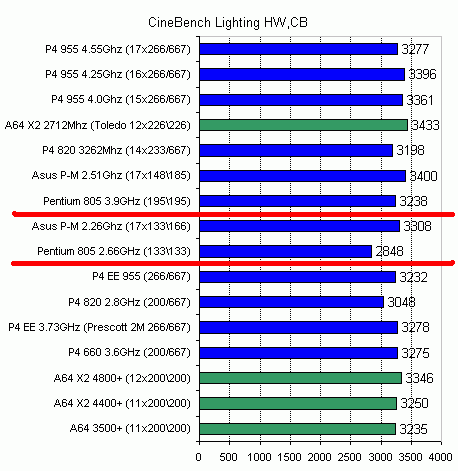
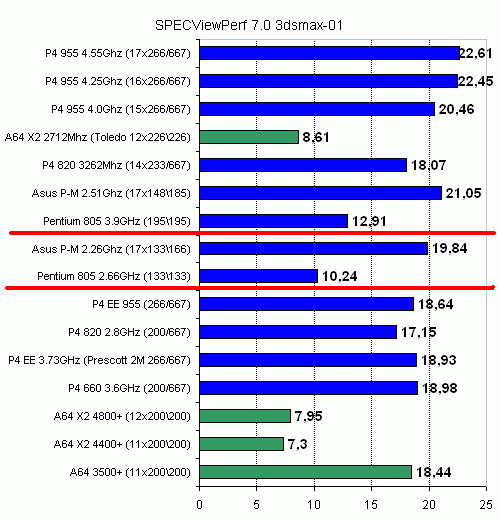
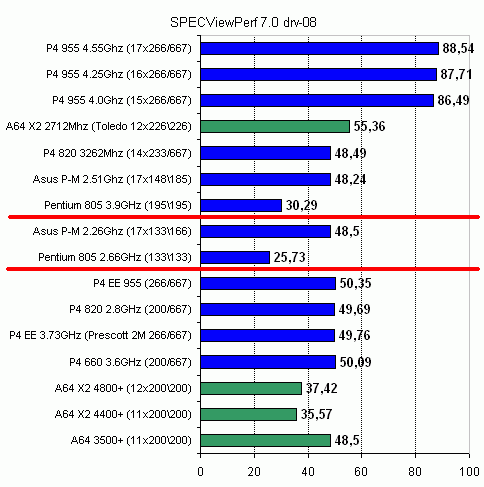
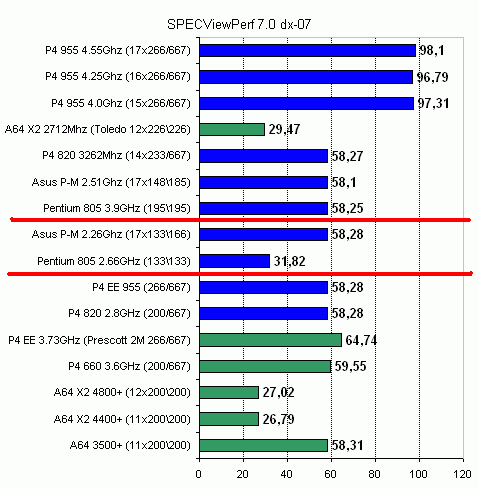
So, to compare the operating speed, we used the results of all the previous processors, both single-core and dual-core.
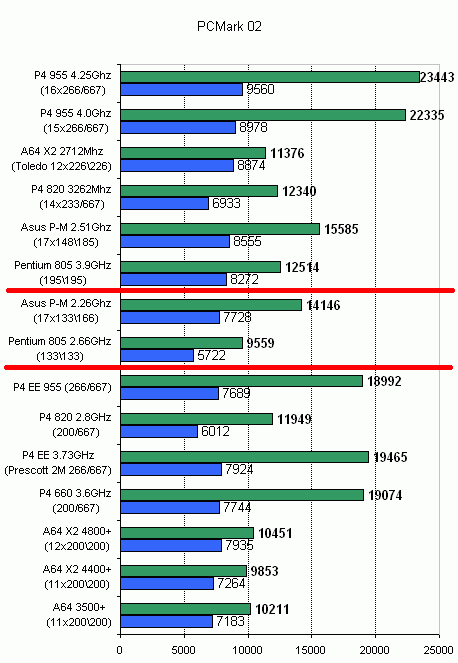
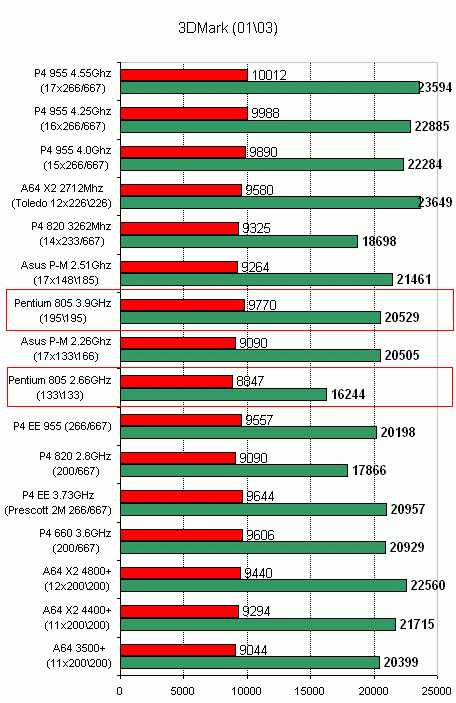
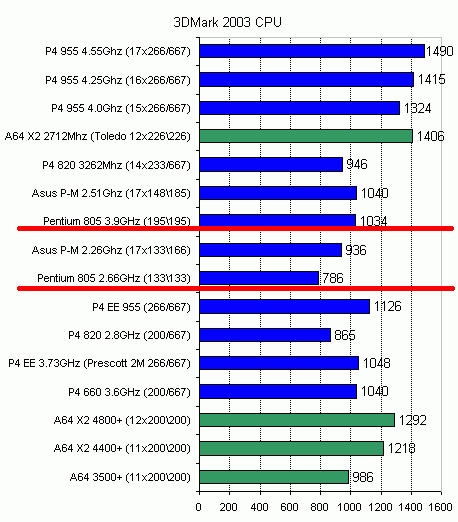
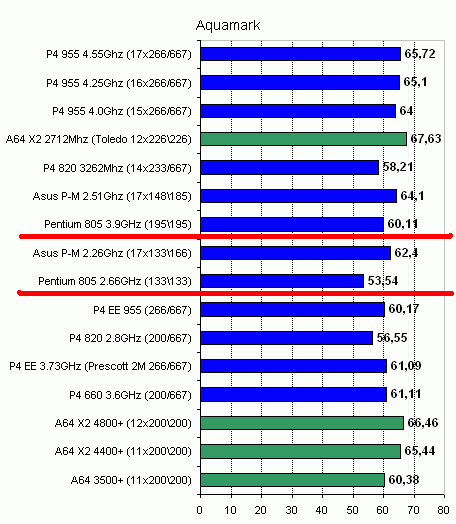
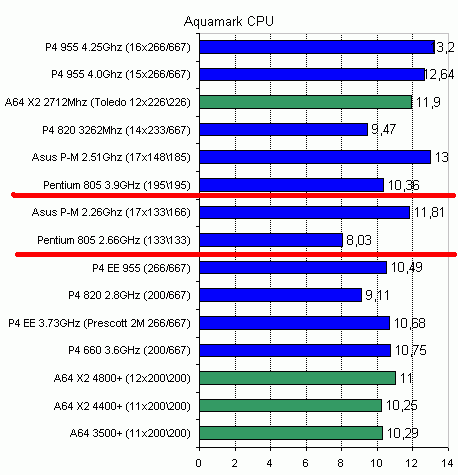
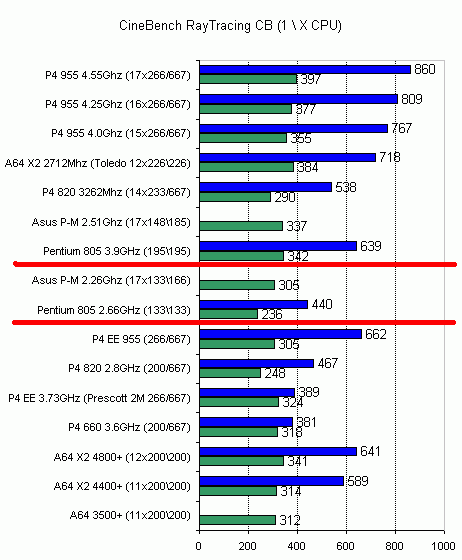
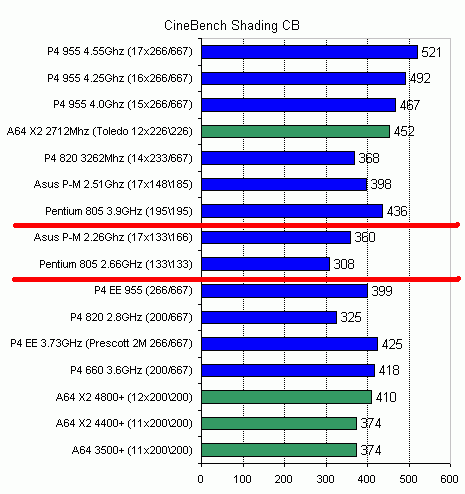
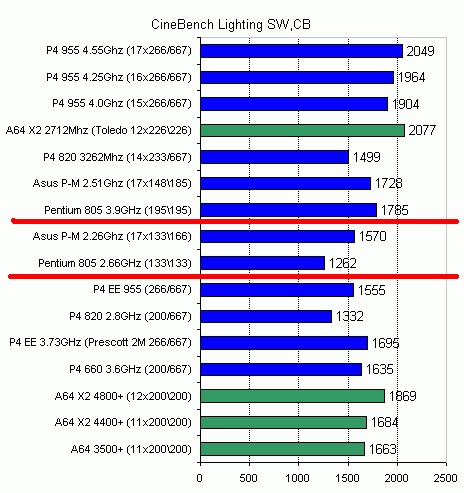
We used a customary set of application benchmarks. Let's first take a look at the results of synthetic benchmarks.
These are exclusively synthetic benchmarks which demonstrate the theoretical performance.
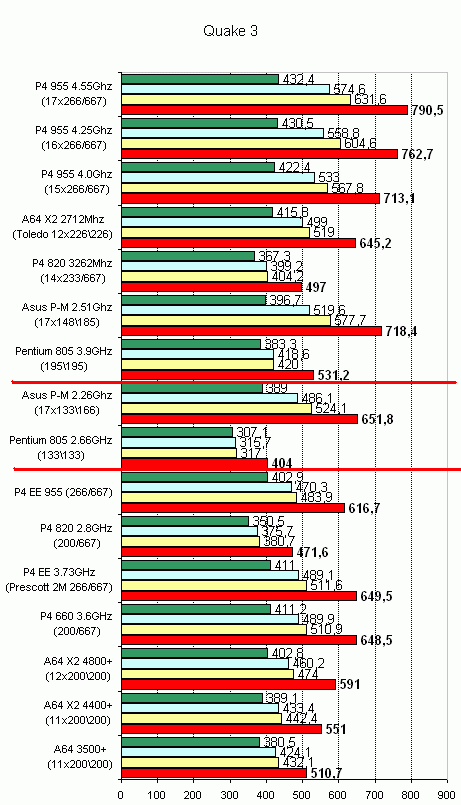
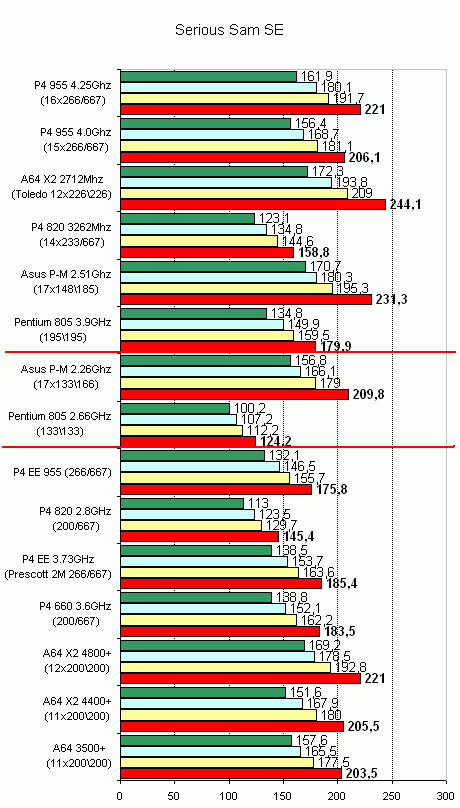
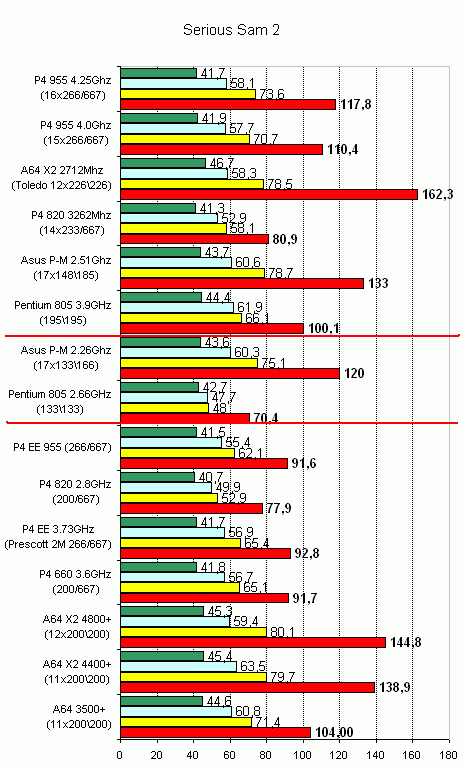
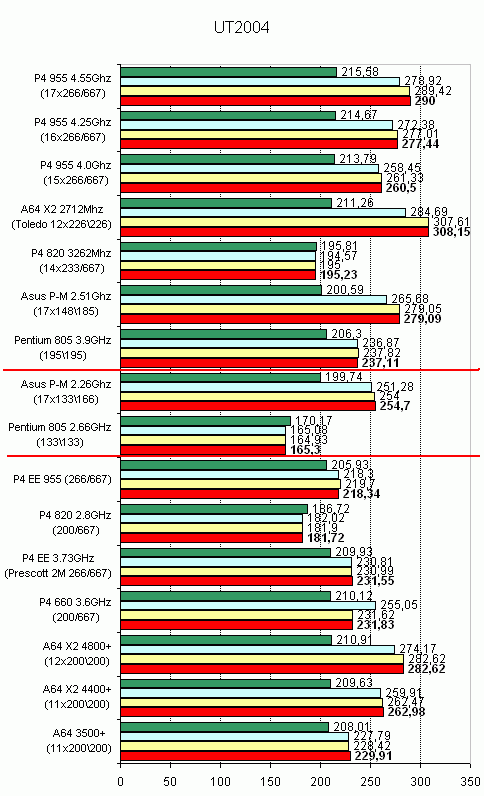
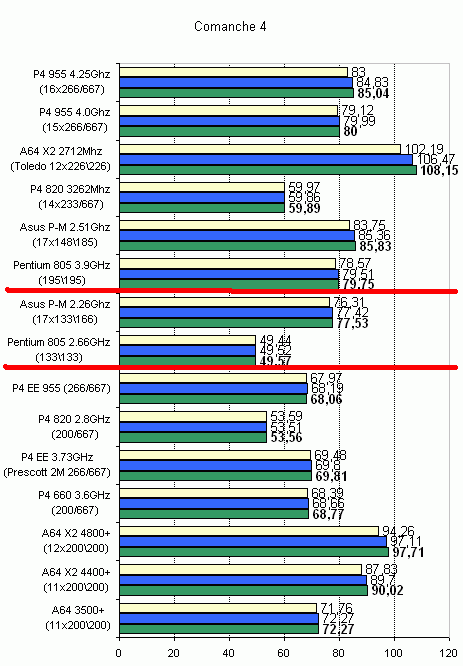
Now on to the gaming benchmarks.
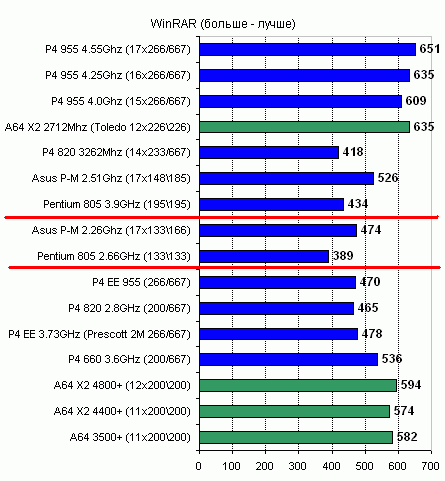 Kb/s, the more - the better
Final Words
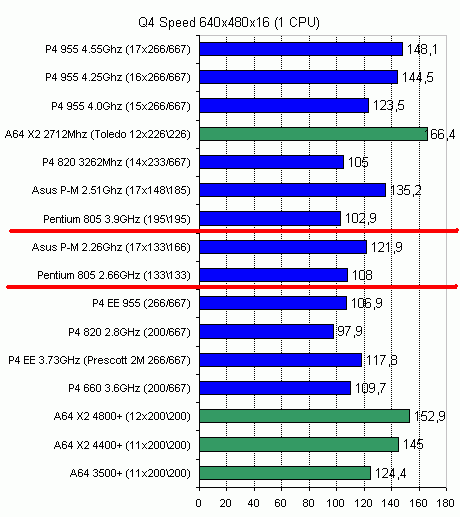
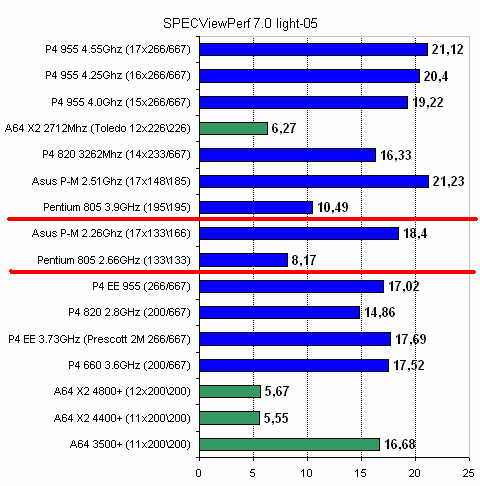
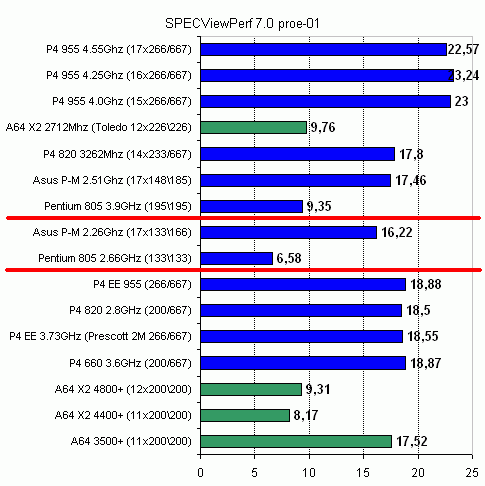
First, Pentium D 805 at the nominal clock speed 2.66 GHz expectedly loses to model 820 due to the lower clock speed and lower FSB speed. On the other hand, the lag is not critical, and model 820 costs about $35 more (which is higher than 25%).
The situation radically changes on overclocking the 805 processor to ~4 GHz. In fact, at 3700 rubles ($130) we get almost the fastest Intel's dual-core processor, which is second at speed to merely Extreme Edition which costs 1000 $. Moreover, the version Extreme Edition 955 is faster only in those applications where the L2 cache matters (e.g., Quake3/Quake4), and in other gaming applications the higher clock speed beats the modern architecture of the Presler core (Serious Sam, Serious Sam2, Comanche, and UT2004).
However, all modern games do not make use of the advantages of dual-core processors. Even Quake4 demonstrates inadequate results upon enabling the multiprocessor mode. On the other hand, when overclocked to 4.0 GHz, the processor 805 will show its best in a lot of applications to handle stream data, as well as in rendering tasks etc. But in this case the dependence of mentioned applications on the L2 cache size should be taken into account when choosing a processor. If there is such a dependence, the user's choice falls on a Presler core processor.
And one more, perhaps the most important conclusion. In view of the overclocking capability of Pentium D 805, this processor is more attractive for its much lower price than any single-core processors of series 6х0! And this situation will stay until the autumn of 2006 when Conroe processors appear on sales. The performance of the latter will essentially exceed the speed of all the existing Intel's desktop processors. It can be approximately rated using the available graphs (look at the results for Pentium-M), and the scarce information on the overclocking capability promises clock speeds as high as 3 GHz.
P.S.
Join the conference with all your questions, remarks and suggestions.
The test processor Intel Pentium D 805 was presented by Sunrise-Rostov.
ASUS EN6600 GT was kindly presented by ASUS.
 |
Content: |
 |
|
|
Top Stories: |
|
 |
|
MoBo:
|
|
|
|
VGA Card:
|
|
|
|
CPU & Memory:
|
|
|