Asus P5AD2 Premium (Intel 925X) Review
BIOS
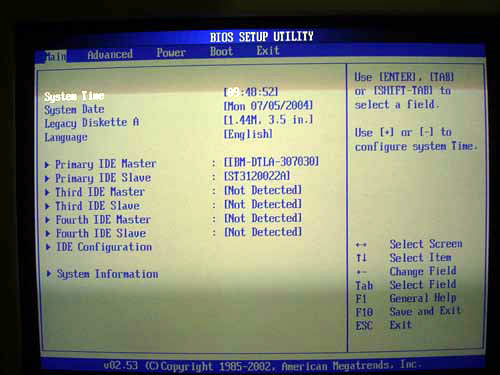
The BIOS of Asus P5AD2 is built on the AMI BIOS version.
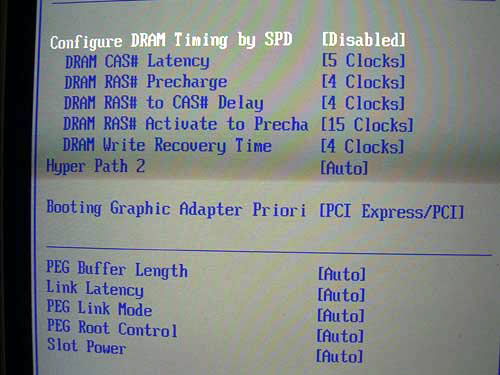
In the memory operation settings section, there is nothing of a surprise: a standard pack of latency timings ("CAS Latency", "Precharge to Active"(Trp), "Active to precharge" (Tras) and "Active to CMD"(Trcd)).
Of interest is the Hyper Path 2 parameter which makes sense for reducing the latency in accessing the memory in chipsets of the 925X series. Remember that Intel's previous generation chipset, i875P, was somehow faster than i865PE due to the PAT feature. But since there are no physical differences between the chipsets (they are all manufactured from the same wafers), motherboard manufacturers were able to activate the PAT on i865PE. Engineers at Asus were the first to activate the PAT, and this features was dubbed the Hyper Path. Therefore, we quite often came across a situation when an i865PE board was faster than i875P (a special case is with the P4P8X board on the i865P chipset flashed with the BIOS from P4P800 which surpassed many i875P boards at speed.)
For the case with i925X and i915P chipsets, the situation seems to be the same: the i925X chipset is supposed to be somehow faster than i915P due to the optimized memory controller. But Intel's representatives give us a clear idea that Taiwanese manufacturers won't get the PAT trick again.
In future, we most likely test a similar board on the i915P chipset and see the effect of enabling the Hyper Path 2. But we didn't notice any performance boost in Asus P5AD2 (i925X ) with the Hyper Path 2 enabled.
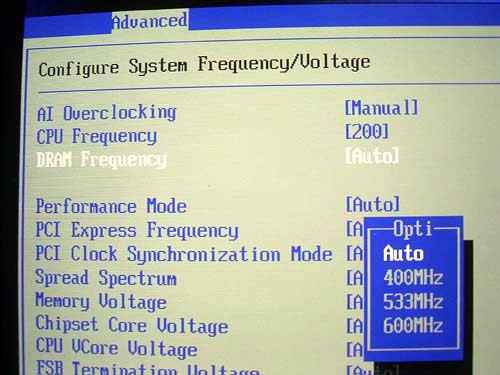
The next parameter that affects the performance is setting the memory operating frequency.
So, the user gets all the whatever divisors for the memory frequency - 1:2(DDR2-400), 2:3 (DDR2-533) and 3:4(DDR2-600).
Now move on to the section to do with the system monitoring.
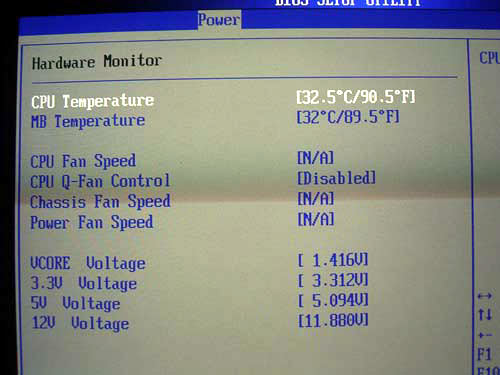
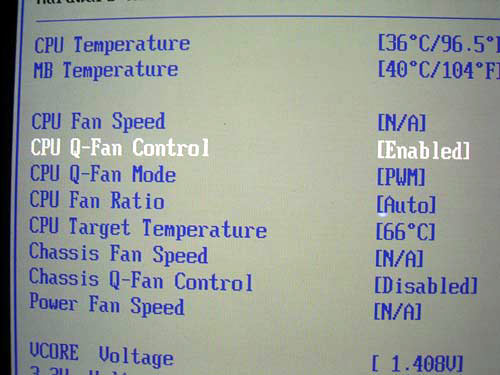
The board displays the current temperatures for the processor and the system, rotational speeds of the three fans (of four), as well as voltage levels. Besides, for the processor cooler the improved Q-Fan feature is accessible, which allows adjusting the rotational speed versus the processor temperature.
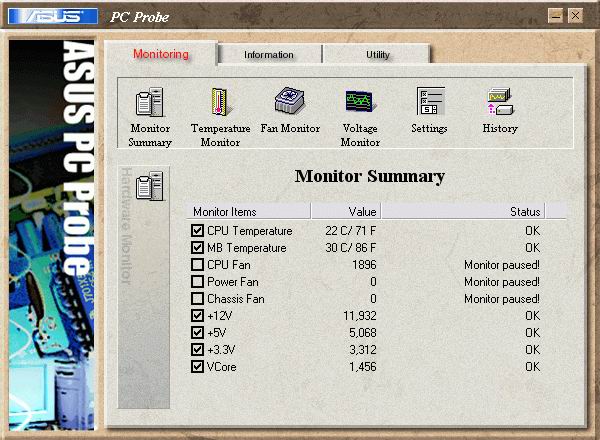
Besides, you can trace the system monitoring readings from within Windows as well. To this end, there is the Asus PCProbe system monitoring utility.
Unfortunately, the current version of the program gives inadequate display of the processor temperatures.
Now a few words on the Asus LiveUpdate utility designed for updating the drivers, reflashing the BIOS and changing the POST screen. It also works in the Windows operating system.
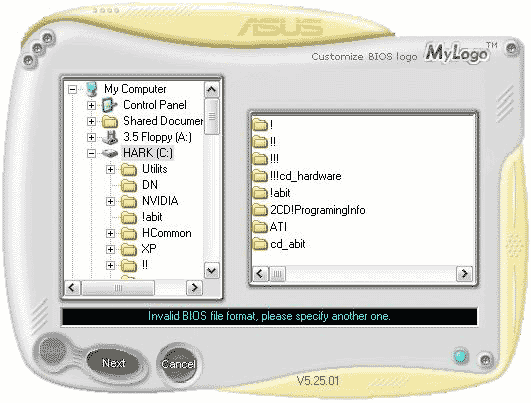
Besides, the BIOS of Asus P5AD2 offers the following features: MyLogo2 (change of the boot screen upon the power-on),
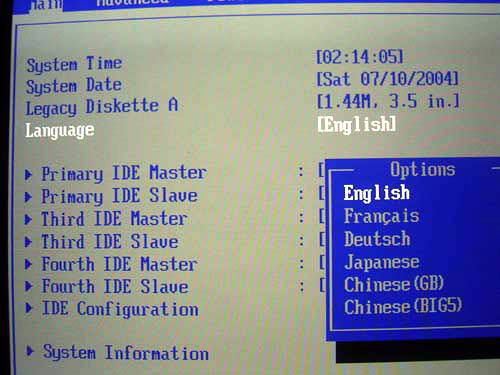
MultiLanguages,
and CrashFree BIOS 2 (restoring the broken BIOS version with a floppy or CD).
 |
Content: |
 |
|
|
Top Stories: |
|
 |
|
MoBo:
|
|
|
|
VGA Card:
|
|
|
|
CPU & Memory:
|
|
|